
Relationships and Crises in Schools – Part 3
Gerard O’Dea answers questions on praise, refusal and parental defiance, recommending quiet private praise rather than public attention, and a shared social contract across staff, pupils and parents.
Relationships and Crises in Schools – Part 1

The interview puts a social contract at the centre of behaviour policy. One set of golden rules covers staff, pupils and parents, applied with dignity and respect when people disagree.
What are Trauma Informed Schools?

Trauma-informed schools recognise how trauma affects pupils and respond with safety, trust and respect. The post covers the impact of trauma, six principles including choice, collaboration and cultural humility, benefits and implementation.
The Culture of Communication in Schools

In this short video, Gerard O’Dea explains some insights into conflict communications and the ethos of a school. It is a brief clip rather than a written post.
Can I get Positive Handling training specifically for Irish schools?

Dynamis trainers recently delivered positive handling training for a number of Irish schools. What did our team notice? And what recommendations might we make to other Irish schools following our experiences so far?
Protecting relationships when reopening schools
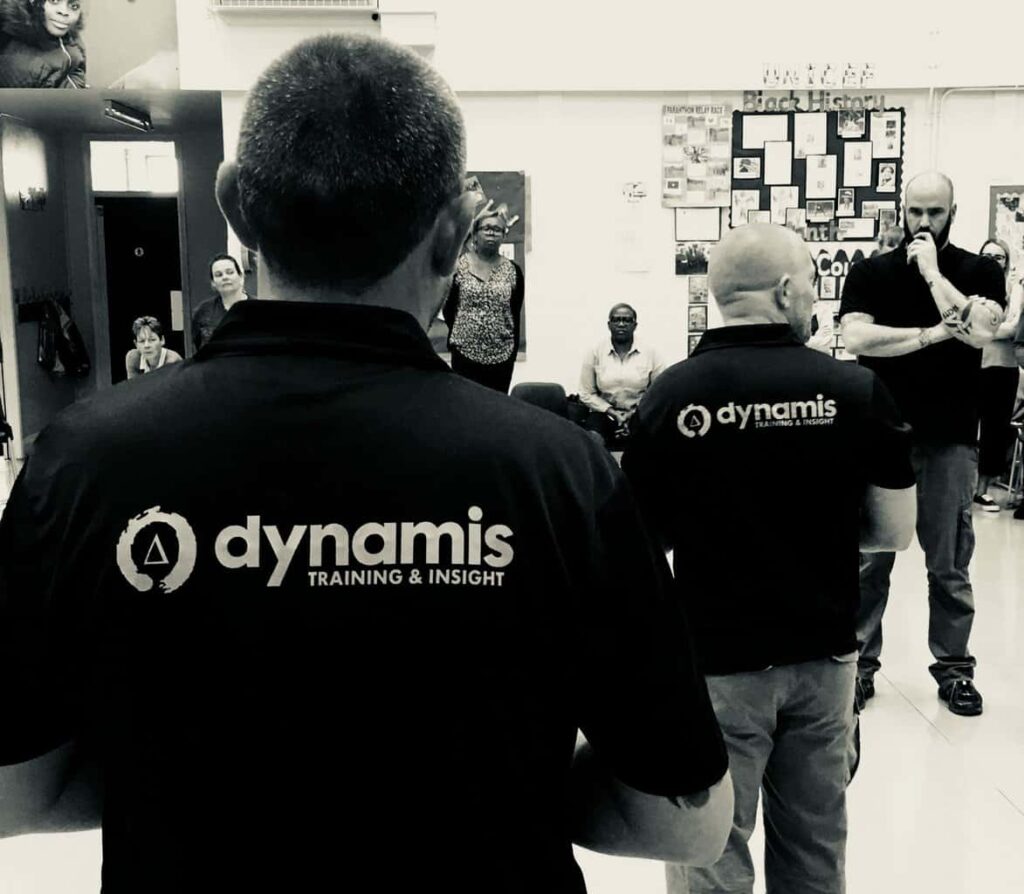
A Vistelar webinar on welcoming children back under new rules is the starting point here. Suggestions include good first impressions, agreed non-verbal signals, consistent team responses and memory prompters around the building.
Can you send a trainer to do an hour with the staff?

Dynamis argues against one-hour training sessions. Short courses leave staff with more questions and more hesitation, while a full day gives a team the knowledge to make professional decisions under pressure.
How Incivility, rudeness and disrespect are damaging our workplaces and maybe our schools

Incivility, from belittling remarks to offensive jokes, is described through a TED talk on its effects. The post links this to early intervention phrases that stop incidents while they are still small.
How to not escalate things in your first contact with the child
Katie Dill of Vistelar sets out the four parts of the universal greeting, a greeting, name and affiliation, reason for contact and a relevant question, and explains why a positive start builds rapport.
Non-Escalation and De-escalation Training at Trainer-level for Schools
A five-day Vistelar train-the-trainer course, coming to the UK in December, certifies staff to teach non-escalation, de-escalation and crisis intervention, covering the conflict spectrum from context to closure but not physical tactics.