
Positive Handling Techniques for Schools — A Practical Guide | Positive Handling

A practical guide separating de-escalation, guiding and escorting, protective positioning and last-resort intervention, so staff understand what positive handling does and does not mean, alongside legal clarity, recording and post-incident support.
Positive Handling Techniques for Schools — A Practical Guide | Positive Handling

The guide separates de-escalation, guiding, escorting and protective positioning from restraint. Positive means purposeful and proportionate, not cheerful, and physical intervention stays a last resort with clear legal expectations.
5 ways to a sensory-friendly classroom

Five ideas drawn from Teresa Garland’s book on autism and sensory disorders, covering sensory-friendly spaces, richer everyday sensory experiences, letting children choose, keeping activities enjoyable and knowing each child’s thresholds.
Relationships and Crises in Schools – Part 3
Gerard O’Dea answers questions on praise, refusal and parental defiance, recommending quiet private praise rather than public attention, and a shared social contract across staff, pupils and parents.
Relationships and Crises in Schools – Part 2

David Rock’s SCARF model is the answer offered here, five social domains that shape behaviour. The post explains the brain’s threat and reward filter, and why status and certainty matter.
Relationships and Crises in Schools – Part 1

The interview puts a social contract at the centre of behaviour policy. One set of golden rules covers staff, pupils and parents, applied with dignity and respect when people disagree.
Why Schools Need Positive Handling Training

The post sets out three benefits. Reduced risk, because staff learn to recognise escalation and de-escalate, legal compliance and staff confidence. Cost, and the time away from other tasks, are the drawbacks.
Preventing Physical Interventions with Children who have experienced Trauma

Working with trauma and adverse childhood experiences, this piece defines attachment disorder, argues deescalation is more effective than physical intervention, and lists calmer techniques such as active listening, choices and offering a break.
Positive Handling in Cumbria

The company trains in Cumbria and the North West because its managing director settled near Penrith in 2020. Feedback from a Keswick school describes the course as practical and thorough.
Early Years Staff Struggling – Anna Freud Report
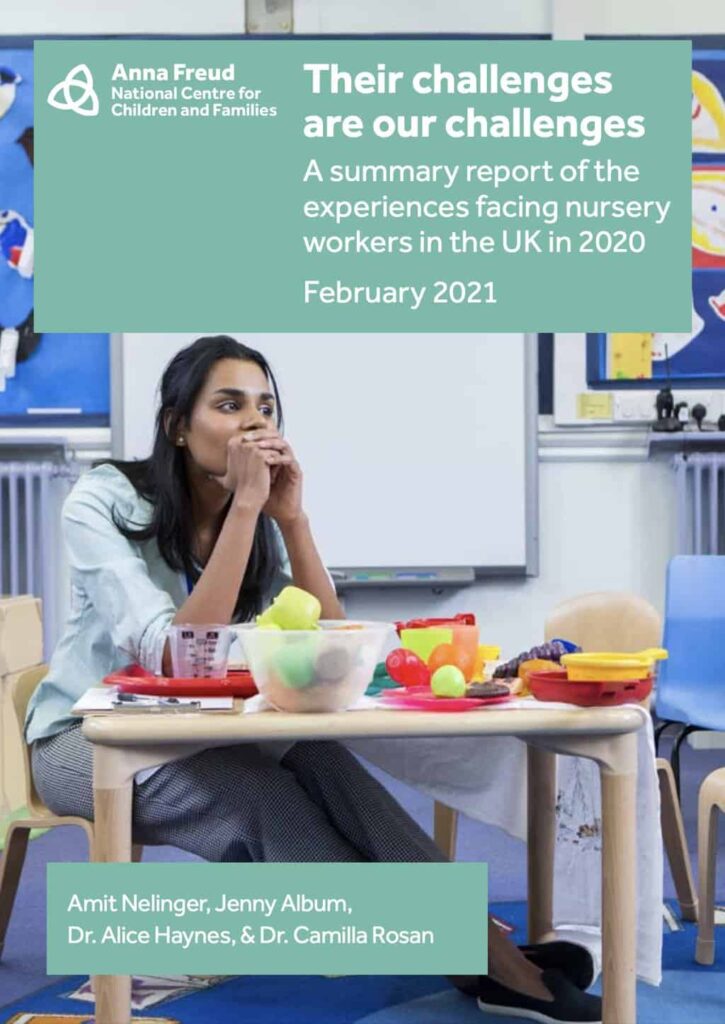
An Anna Freud Centre survey of more than 900 nursery practitioners found most had worked with children affected by domestic violence, abuse or bereavement, and over half had no extra mental health training.