
Positive Handling Training for Irish Schools
Practical, lawful positive handling for primary, post-primary and special schools in Ireland, built around the pupils you actually teach.
Written for your school
Primary, post-primary, special classes and DEIS. The scenarios are adapted to your pupils before the day, not after it.
Your code of behaviour
Every technique sits against the policy your board of management has signed, so staff can point to it afterwards.
De-escalation first
Most incidents end before a hold, because an adult bought the pupil thirty more seconds.
Travel to you
We deliver on site in Ireland: your rooms, your corridors, your staff team, in one day.
What is at Stake?
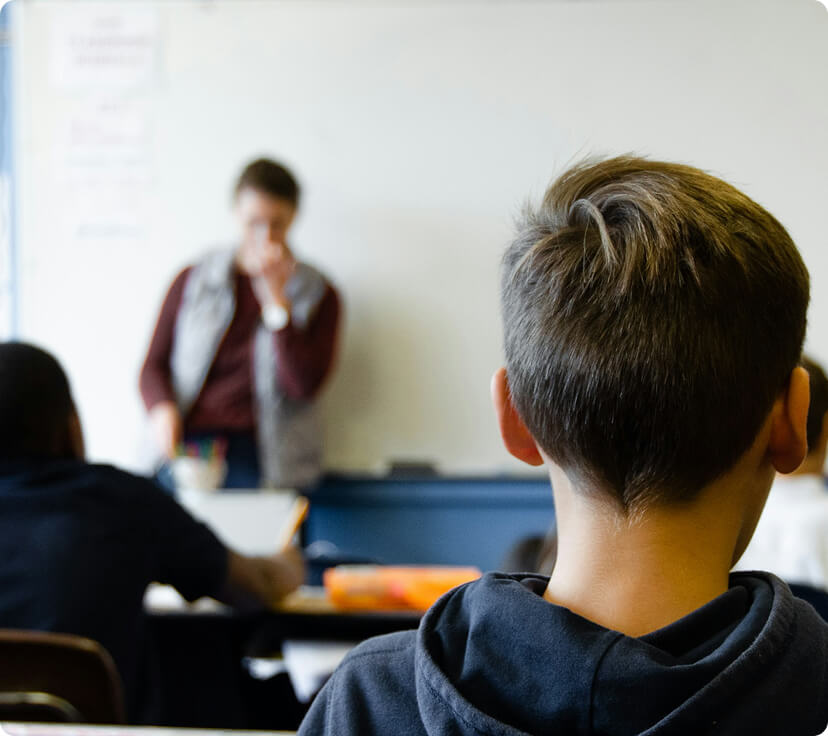
A pupil in crisis is not a discipline problem. They are a child whose nervous system has run out of options in a building where the adults have to keep everybody safe.
Handled badly, the consequences are serious: an injury to a child, an injury to a member of staff, a hold that cannot be justified when a parent asks, and a school explaining itself to a board of management. Handled well, the same incident ends quietly and nobody is filling in an injury form.
01
Your staff
Your team wants to know what to do before it happens, and to have practised it rather than read it. Confidence comes from rehearsal.
02
Your pupils
A pupil who is held needs it done briefly, safely and with dignity, by adults who know when to stop. That is a training outcome, not a policy statement.
03
Your school
One avoidable injury becomes an injury report, a staff absence, a meeting with parents and a question at the next board meeting.
Why a room beats a module
Positive handling is a skill, and skills are built with a trainer in the room: the physical techniques, the de-escalation that comes before them, and the judgement that decides between the two.
Rehearsed, not described
Staff practise the incidents that actually happen in your school, not scenarios from a manual.
Defensible afterwards
Necessary, proportionate, shortest time: the test staff will be asked about, taught alongside the hold.
Behaviour is communication
Staff learn to read what a pupil is telling them before anyone reaches for a hold.
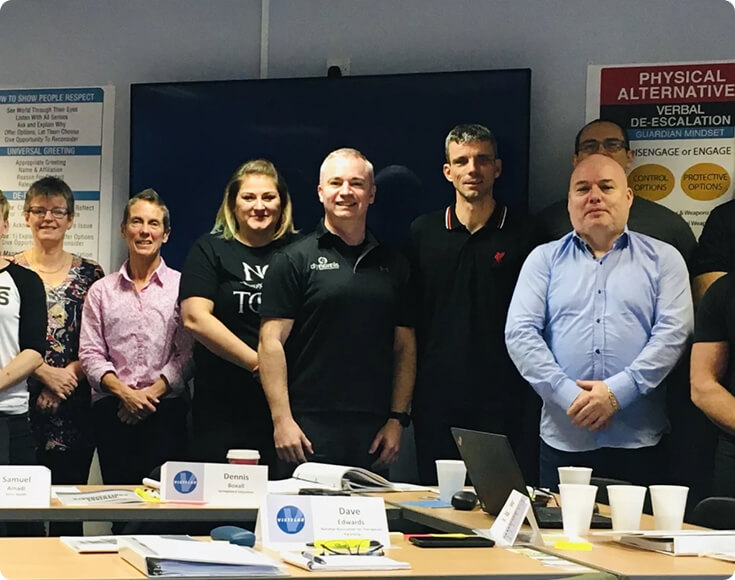
The day moves from prevention to response to review. Staff begin with what escalation looks like in their pupils, move to the verbal and non-verbal de-escalation that diverts most incidents, and only then practise the physical interventions they may need when nothing else has worked. Every technique is rehearsed with a partner, at a pace the group can hold.
Recognising escalation
Body language, tone, proximity, and the difference between a pupil who is shouting and a pupil who has gone quiet. Most incidents announce themselves before they start.
De-escalation that works
What to say, what to stop saying, and how to give a pupil a way out with their dignity intact. This is the part of the day that changes the most incidents.
The physical set
Guiding, escorting and holding, taught as a graded set, so staff know the minimum that would work here and can explain why they stopped there.
Recording and review
Recording, debriefing, informing parents, and supporting the member of staff who had to intervene. What the record says decides how the incident is read later.
Our Impact in Your Schools
Irish schools tell us the same thing after training: fewer holds that end in a complaint. Staff know what their own policy allows, and they act on it earlier. A board of management ends up with a record it can stand behind.
K
We travel to your school, and we adapt the day to your pupils before we arrive.
Dynamis Training
Guiding You Through
We listen, design and deliver training that reflects the real challenges your people face.
We understand that Irish schools work from their own policy and their own inspectorate, and that a response borrowed from an English guidance document has to be justified here. We have trained schools in Ireland and adapted the standard to them.






The Customer Journey
Every school starts with a conversation about the incidents you actually get. We then adapt the day to your pupils, deliver it on site, and leave you with the record your board and your parents will want to see.

UNDERSTAND
We start by understanding how your school works now: the board of management, the policy, and where incidents actually begin.

ADDRESS
Then we train the responses your staff need, rehearsed in your own rooms, halls and corridors.

ENHANCE & SUSTAIN
Afterwards we help you keep the standard: refreshers, resources your board can point to, and a route to train your own trainers.
Frequently Asked Questions
Does UK guidance apply to us?
No. Your authority comes from your own code of behaviour and your school’s policies, not from English departmental guidance. We teach the same physical skills, framed against the framework you actually work under.
Can you deliver in Ireland?
Yes. We travel to Ireland and run the day on site, which means the scenarios use your rooms, your corridors and your pupils’ patterns of behaviour.
How many staff can attend?
Up to twelve per trainer. The physical work needs coaching, so we would rather run two days for twenty-four staff than squeeze thirty into one. Larger teams can take the train-the-trainer route instead.
Guides
Download our Positive Handling starter guide for schools.
Contact Us
Ready to explore Positive Handling training for your staff team? Let’s talk today.
Starting from £99 per learner for most teams.
Face-to-face, in-house across the UK. Tell us your team size and we will price it properly.