
Classroom Conflict 3: Showtime Mindset for managing children

Classroom Conflict: Being in your Showtime Mindset This post is about classroom conflict 3. Children present with challenging behaviour in classrooms and schools for two main reasons: Task (sometimes Situation) Avoidance or Attention Seeking. The dedicated staff who support those children during Classroom Conflict have seemingly limitless reserves of patience, compassion and empathy for them. When we at […]
Classroom Conflict 2: The Five Maxims for Effective Classroom Communications
Classroom Conflict: “this is how we do business around here” Classroom Conflict 2: Treating each other with dignity by showing each other respect This post is about classroom conflict 2. Classroom Conflict demands that we approach it with a set of appropriate values. Any system of behaviour management, physical intervention training with children, or restraint […]
Classroom Conflict 1: Being Alert and Decisive
Classroom Conflict: Having a pre-planned practiced response in mind to deal with forseeable incidents This post is about classroom conflict 1. Classroom Conflict demands that we are prepared and have some mental models for what we may have to face. At Dynamis we infuse our training in school settings with our Verbal Defense and Influence […]
The Five Maxims for Effective Communication in the Classroom
How to use The Five Maxims in the classroom Listen with All Your Senses Ask, don’t Tell Give Context (Tell them Why) Offer Options Allow them a Second Chance This post is about the five maxims for. Katie Dill, a Teacher, talks about how she uses the Five Maxims from VDI with the Special Needs Children […]
Positive Handling By The Numbers #6: Duty of Care

Positive Handling Duty of Care This post is about positive handling by the. Positive Handling Duty of Care is a critically important concept for staff to understand if they are called upon to intervene to create safety in a dangerous situation. Sometimes we see stories of teaching staff being injured by children in schools and […]
Positive Handling by the Numbers #5: Five Steps to Persuasion

Positive Handling Verbal Deescalation This post is about positive handling by the. You may remember in my last post about Positive Handling Number 5, we looked at a stuation whereby a disruptive child was resolutely refusing to leave a classroom? “You cant’ make me! I know my rights! You’re not allowed to touch me!” How […]
Positive Handling by the Numbers #5: Five Values for Effective Interactions in the Classroom
Positive Handling Values Base This post is about positive handling by the. One of the most frequent scenarios we come across in working with teaching staff is the issue of the seriously disruptive student who refuses to follow a reasonable request. Often this type of serious resistance to a request can escalate (in some settings more […]
Positive Handling by the Numbers #4: Forewarned about (some) Four-year-olds is Forearmed
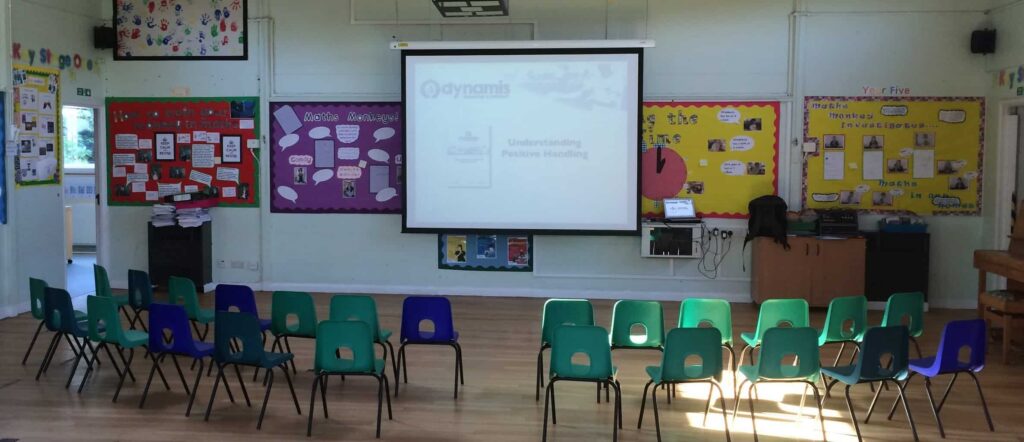
Positive Handling Plans This post is about positive handling by the. Positive Handling Plans should consider the wide range of risks involved in the types of situations where these interventions are potentially needed. Is it possible for a four year old child to lash out and send their teacher or teaching assistant to hospital? How […]