
Positive Handling in Cumbria

The company trains in Cumbria and the North West because its managing director settled near Penrith in 2020. Feedback from a Keswick school describes the course as practical and thorough.
Can I get Positive Handling training specifically for Irish schools?

Dynamis trainers recently delivered positive handling training for a number of Irish schools. What did our team notice? And what recommendations might we make to other Irish schools following our experiences so far?
The Triune Brain on One Hand
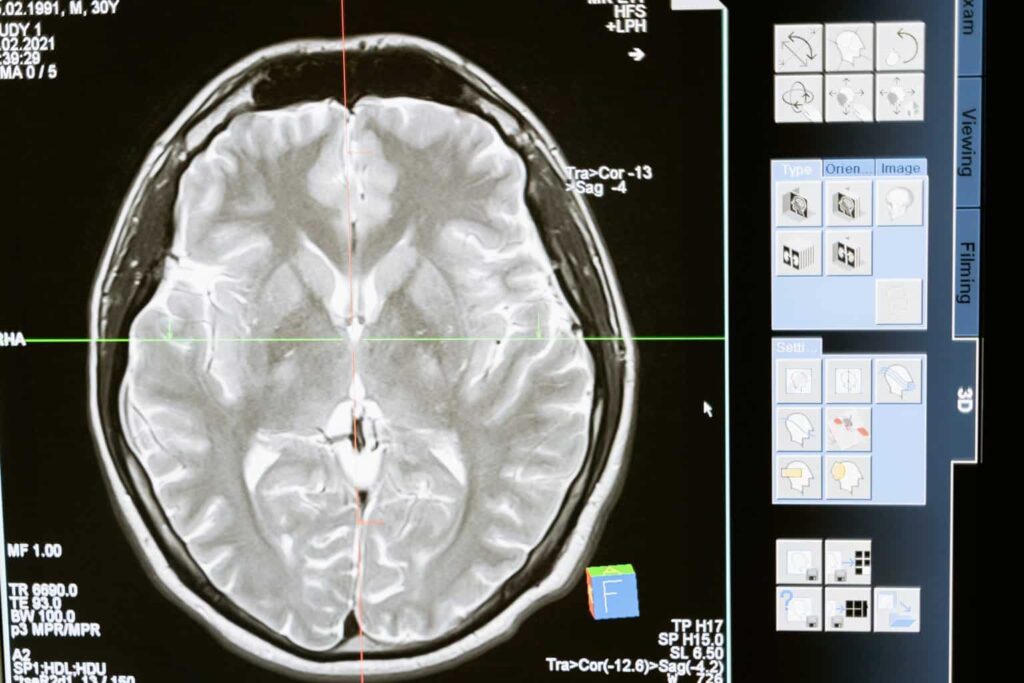
A short post recommending the triune brain as a model for understanding why people lose control and behave primally. It calls this fundamental to thinking about trauma, ACEs, attachment and classroom behaviour.
How to choose Positive Handling Training for your School

A long guide answering the questions senior leaders ask before buying positive handling training, covering which staff to train, how many, the types available, restraint reduction, formats, timing and cost.
Restraint Reduction Training Now Added to our Training Offering
Restraint reduction training with Zeb Glover joins the offering, illustrated by a school where restraints fell from 76 to 7 in a year, attendance rose to 86.5% and exclusion was no longer needed.
Feedback: absolutely applicable to the demands of a primary school

Staff from five primary schools comment on trainer knowledge, patience and humour, the care taken with difficult questions, and how online plus practical elements fitted around a school day.
The Context of Positive Handling and the Seven Scenarios for Schools
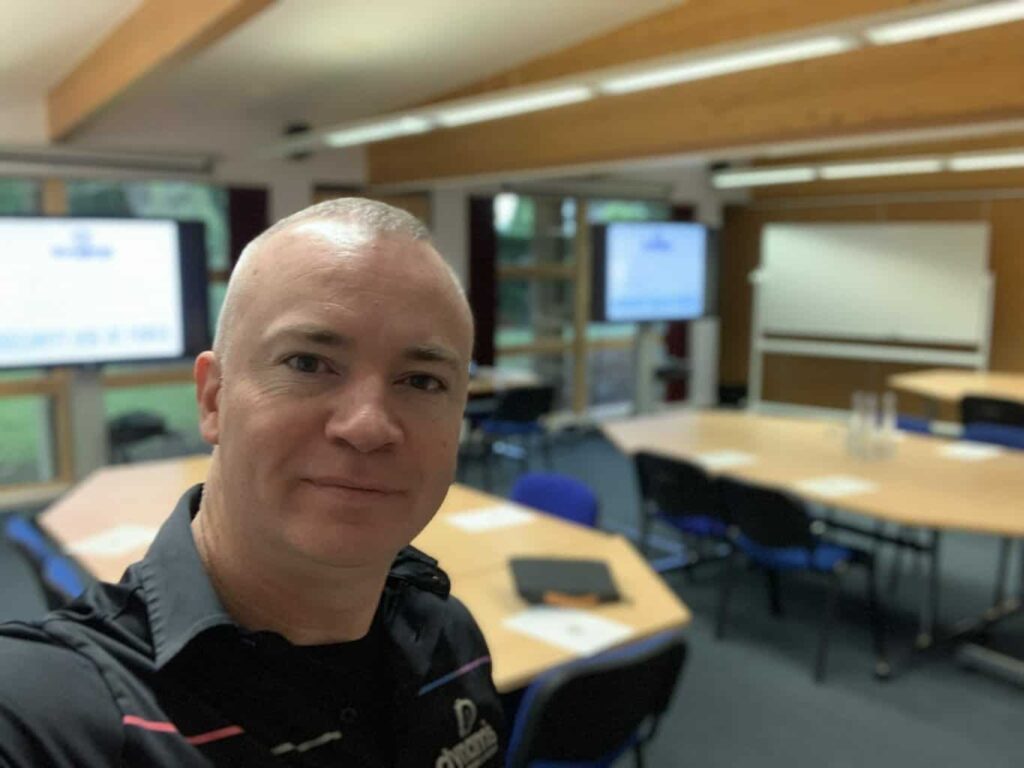
Vistelar’s interview with Gerard O’Dea covers the decisive moment when a member of staff must decide whether to put hands on a child, and how training prepares them for it.
Can you send a trainer to do an hour with the staff?

Dynamis argues against one-hour training sessions. Short courses leave staff with more questions and more hesitation, while a full day gives a team the knowledge to make professional decisions under pressure.
De-Escalation and Physical Intervention in a Secondary or Sixth-Form College
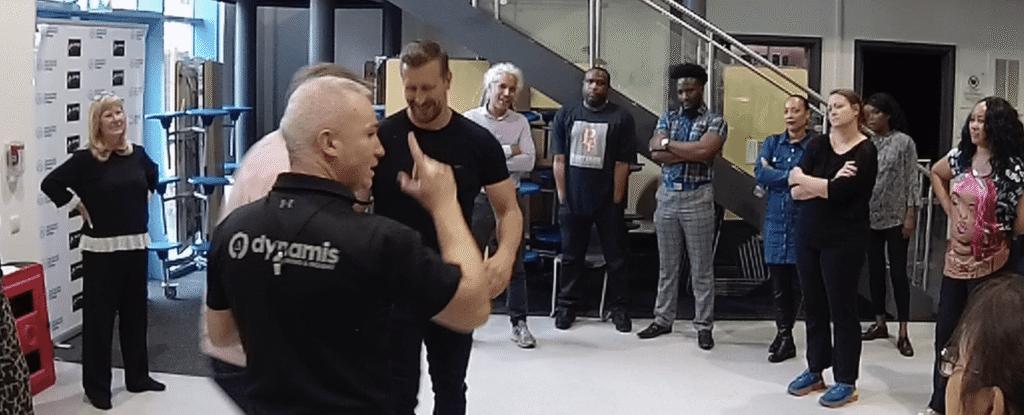
For secondary and sixth-form staff, deciding to intervene physically may be the most critical moment of a career. The post sets out the risks and why the training suits that setting.
Positive Handling and Guidance on issues of Touch in Primary Schools

A short page pointing to material on touch in primary schools: learning outcomes for primary staff, feedback from a primary school, and guidance on the law.