
Searching for prohibited items: where reasonable force fits and where it does not

Force may be used to search for legally prohibited items, not items banned by school rules. The distinction matters, and staff need clarity on authority, item category, risk, communication and recording.
Staff wellbeing after restrictive interventions: the missing safety control
After a restrictive intervention, leaders focus on the pupil, but staff need support too. The post calls this a safety control and sets out five steps, from immediate checks to recording, debrief and follow-up.
MAT-wide consistency: why trusts need one standard for restrictive interventions
Trusts do not need identical practice, but they do need shared definitions, a common decision test, banned techniques, recording expectations and parent reporting, with each school adapting training to its own pupils.
Behaviour support plans after restraint: the review schools cannot skip
The 2026 guidance expects behaviour support plans to be reviewed after incidents, and the post sets out seven questions for that review, covering known risk, early adult responses, necessity, proportionality and support afterwards.
Serious disorder, property damage and injury: understanding the thresholds for force
Reasonable force may be used to prevent injury, a criminal offence, property damage or serious disorder, and the post explains why these are thresholds requiring necessity and proportionality rather than general permission.
Post-incident debrief: where safer practice is built

The 2026 guidance expects schools to act after an incident. A debrief should keep welfare, facts and learning separate, so the pupil is supported with dignity and the school actually changes something.
Restraint and seclusion reporting: what the 2026 regulations mean in daily school life
Under the Seclusion and Restraint Regulations 2025, every incident needs a record and prompt explanation to parents, even where plans exist. Seven steps run from making the situation safe to reviewing the plan.
Why schools need a training needs assessment before positive handling training
Training should be specific to a school’s requirements, so a generic course may miss the point. Seven areas to assess first are set out, among them incident patterns, locations, pupil needs and staff roles.
The 2026 DfE Guidance on Restrictive Interventions: What School Leaders Should Be Reviewing Now
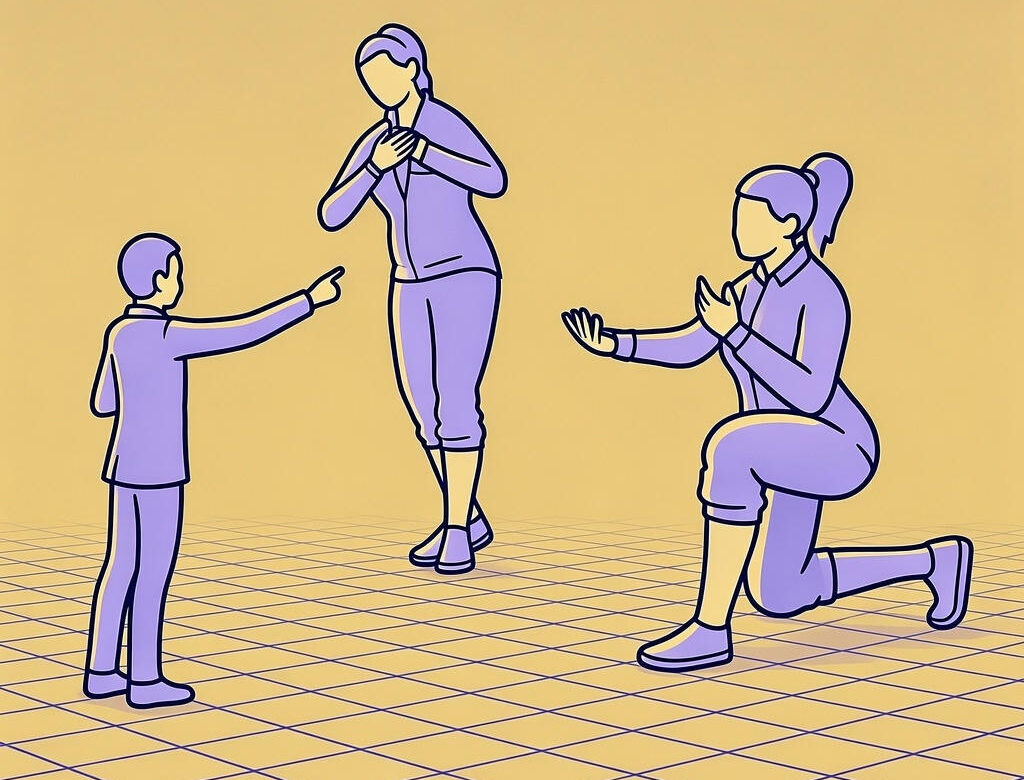
The 2026 DfE guidance shifts the test from having a policy to showing each restrictive intervention was necessary, proportionate and properly recorded, with parents told promptly and seclusion reviewed.
Who should be trained to use reasonable force in schools?
Rather than training everyone identically or too few people, schools should map where incidents happen and give staff training matched to their role, starting with awareness for all.