
Full-day, blended or train-the-trainer: which format fits which setting?
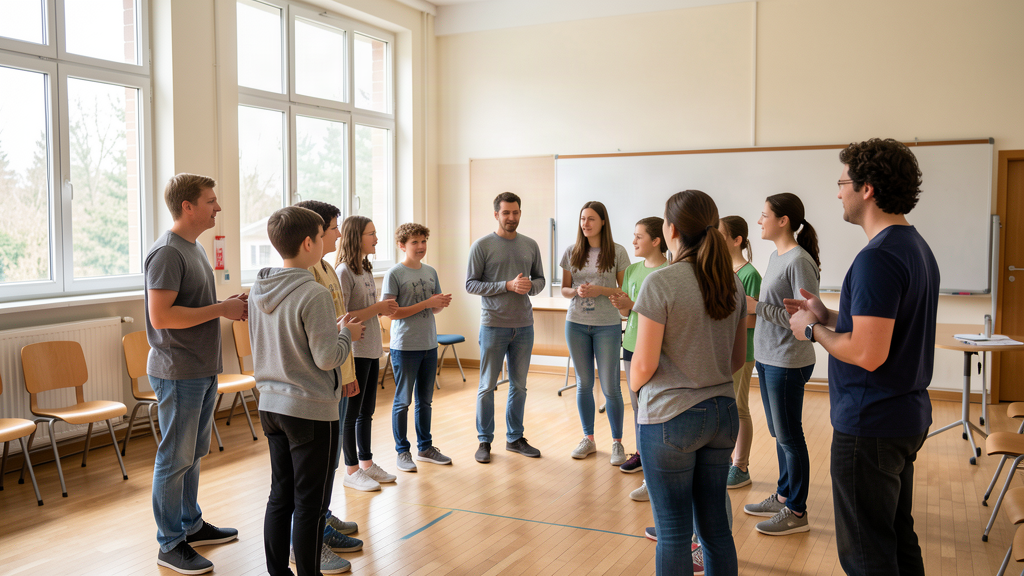
There is no single best format. Full-day training suits staff who need to practise physical intervention, blended training saves time, and train-the-trainer builds internal capacity, so format follows the school’s actual need.
Positive Handling Techniques for Schools — A Practical Guide | Positive Handling

A practical guide separating de-escalation, guiding and escorting, protective positioning and last-resort intervention, so staff understand what positive handling does and does not mean, alongside legal clarity, recording and post-incident support.
Positive Handling Techniques for Schools — A Practical Guide | Positive Handling

The guide separates de-escalation, guiding, escorting and protective positioning from restraint. Positive means purposeful and proportionate, not cheerful, and physical intervention stays a last resort with clear legal expectations.
Why schools need a training needs assessment before positive handling training
Training should be specific to a school’s requirements, so a generic course may miss the point. Seven areas to assess first are set out, among them incident patterns, locations, pupil needs and staff roles.
Ground restraint and unsafe techniques: what schools must remove from training
The 2026 guidance is applied to technique choice. Anything restricting breathing or circulation, pressing on the neck or abdomen, relying on pain, or holding a pupil down should come out of training.
SEND, reasonable adjustments and positive handling: prevention before crisis
Drawing on 2026 DfE guidance and the SCARF model, the post argues that for pupils with SEND, prevention is the most important form of positive handling, and sets out a six-part planning approach.
Positive Handling Learning Outcomes for Primary Schools

Primary staff can learn why positive handling matters for safety and dignity, how communication builds trust with children, and how to spot early warning signs and de-escalate before using techniques safely.
Can I get Positive Handling training specifically for Irish schools?

Dynamis trainers recently delivered positive handling training for a number of Irish schools. What did our team notice? And what recommendations might we make to other Irish schools following our experiences so far?
A Tour of our Online Training in Positive Handling for Schools

The tour covers the online course built on Moodle, taking in crisis behaviour, duty of care, guidance and legislation, and reasonable force, plus a module of frequently asked questions.
Feedback: absolutely applicable to the demands of a primary school

Staff from five primary schools comment on trainer knowledge, patience and humour, the care taken with difficult questions, and how online plus practical elements fitted around a school day.